Hatch End station gardeners guide small front garden makeovers
If your front garden feels a bit tired, cramped, or simply not doing your home justice, you are not alone. Small spaces near Hatch End station often need clever thinking rather than big budgets, and that is exactly where a well-planned makeover can make a real difference. This Hatch End station gardeners guide small front garden makeovers is here to help you turn a modest frontage into something tidy, welcoming, and easy to live with.
Whether you want better kerb appeal, less maintenance, or a more attractive path to the front door, the right changes can completely shift how a property feels. The trick is to work with the space, not fight it. A few smart planting choices, a clearer layout, and sensible materials can do more than a full-scale overhaul that misses the point. Truth be told, a small front garden done well can feel far more impressive than a larger one that is badly arranged.
Below, you will find practical advice on planning, planting, layout, costs, compliance, and common mistakes. There are also some useful comparison points and a checklist you can actually use. If you are looking for a local gardener or want to understand what a professional makeover involves, this guide will give you a solid starting point. You can also explore the wider gardening services overview if you want to see how front garden work fits into broader maintenance and landscaping support.
One small note before we begin: front gardens often look simple from the pavement, but they are surprisingly layered once you factor in drainage, access, sunlight, boundaries, and the day-to-day reality of bins, bikes, and muddy shoes. It is never just about the flowers. Not really.
Table of Contents
- Why Hatch End station gardeners guide small front garden makeovers matters
- How Hatch End station gardeners guide small front garden makeovers works
- Key benefits and practical advantages
- Who this is for and when it makes sense
- Step-by-step guidance
- Expert tips for better results
- Common mistakes to avoid
- Tools, resources and recommendations
- Law, compliance, standards, or best practice
- Options, methods, or comparison table
- Case study or real-world example
- Practical checklist
- Conclusion
- Frequently asked questions
Why Hatch End station gardeners guide small front garden makeovers Matters
Front gardens in Hatch End and the surrounding North West London area are often doing several jobs at once. They need to look good from the street, stay manageable through wet winters and dry spells, and still allow practical access for daily life. A small front garden makeover matters because it improves all of that without demanding a huge footprint.
Near station areas, people often want a front space that is tidy, low-fuss, and welcoming after a commute. You come home on a damp evening, see the front door framed by something green and ordered, and the whole place feels calmer. That sounds small, but it adds up. A front garden is the first thing you see before you even open the door, and it quietly sets the tone.
It also matters because small spaces are easier to get wrong. Put the wrong shrub in the wrong place and suddenly the path feels narrow, the light disappears, or the whole design becomes maintenance-heavy. Use the right structure, though, and even a tiny plot can look considered and expensive in the best possible way. That does not mean fancy. It means thoughtful.
For homeowners preparing to sell, let a property age well, or simply make the arrival more pleasant, front garden improvements can be one of the most efficient upgrades available. And unlike some home changes, you see the benefit every single day. A neat front boundary, a clean line of planting, and a clear route to the door are the kind of details that quietly do their job.
How Hatch End station gardeners guide small front garden makeovers works
A small front garden makeover usually begins with a simple question: what do you want this space to do? Look attractive? Stay low maintenance? Offer some privacy? Improve drainage? The answer shapes everything else. Good gardeners do not start by buying plants. They start by understanding how the space behaves.
In practical terms, the process usually moves through a few stages. First comes a site look-over. That means checking the size, the shape, sun and shade, the current condition of the soil, existing paving, and any awkward features like narrow gates or patchy boundary walls. Then comes the design decision: keep, remove, replace, or simplify. Many successful makeovers are really about subtraction. Less clutter. Cleaner lines. Better proportion.
After that, the planting plan is chosen. For small front gardens, this normally means compact shrubs, evergreen structure, seasonal colour, and maybe one or two stronger focal plants. The idea is to create interest without overcrowding. Low hedging, drought-tolerant planting, and layered borders can work well if they are matched to the site. A front garden is not the place for a high-drama jungle, charming as that sounds on paper.
Finally, there is the build and finish. That may include edging, fresh mulch, improved soil, path repairs, decorative gravel, replacement containers, or a neat planting schedule. A good gardener will also think ahead: how will this look in six months, then in two years? Because gardens grow. Sometimes faster than expected, as anyone who has ever skipped a trim knows.
Key Benefits and Practical Advantages
Small front garden makeovers are popular because the rewards are immediate and practical. You do not need a large plot to create meaningful change. In fact, smaller spaces often respond faster because each decision is more visible.
- Better kerb appeal: a tidy, balanced frontage makes the whole property look cared for.
- Lower maintenance: the right planting scheme can cut down on constant weeding and pruning.
- Improved layout: clear access to the door and bins makes everyday life easier.
- More seasonal interest: a mix of evergreen structure and flowering plants keeps the garden looking alive.
- Stronger first impression: useful if you are welcoming guests, tenants, or potential buyers.
- Better use of space: even a narrow frontage can feel wider when the design is simplified.
There is also a subtle emotional advantage. A front garden that works well creates a tiny moment of relief every time you arrive home. It sounds a bit dramatic, maybe, but it is true. When the bins are hidden, the path is clean, and the planting looks purposeful, the whole entrance feels less like a functional afterthought and more like part of the home.
For many Hatch End households, the big advantage is balance. You get something attractive without creating extra weekend work. That is often the sweet spot: enough planting to feel alive, enough structure to look smart, and enough simplicity to be sustainable long term.
Who This Is For and When It Makes Sense
This kind of makeover suits a wide range of homeowners, landlords, and even small business properties. But it is especially useful if your front garden currently falls into one of a few familiar categories.
- Busy homeowners who want the front of the property to look presentable without constant upkeep.
- New buyers who want to personalise a small frontage after moving in.
- Older gardens that have become overgrown, patchy, or visually unbalanced.
- Properties with poor access where layout changes can improve day-to-day use.
- Homes preparing for sale or rent where curb appeal matters.
It also makes sense when the current garden is technically fine but visually weak. Maybe the pots are mismatched, the path is tired, or the planting has become a bit too random. That sort of thing is incredibly common. The structure is there, but the confidence is missing.
If you are unsure whether to invest now or wait, a good rule is this: if the garden feels like a small source of friction every time you leave or come home, the makeover is probably worth considering. Small annoyances have a way of becoming big ones, don't they?
For readers comparing service levels, it can help to look at the company's about us page to understand its approach, or visit contact us when you are ready to ask about a specific front garden project.
Step-by-Step Guidance
If you are planning a front garden refresh, the most reliable results come from a clear sequence. Jumping straight to plant shopping is usually where people get into trouble. Nice plants are tempting. But planning first saves money and disappointment.
1. Assess the space honestly
Start by looking at the garden in daylight and again at dusk if you can. Notice what actually happens in the space. Where does the rain collect? Which areas get the strongest sun? Where do people naturally walk? A narrow front garden near a station route may need a simpler path line than you first imagine.
2. Decide the main job of the garden
Choose the top priority. Is it low maintenance, more privacy, a softer entrance, or a fresher look? Trying to do all four without compromise can lead to a muddled result. The best makeovers usually have one clear purpose and a few supporting goals.
3. Simplify the hard landscaping
If the paving, edging, or steps are cluttered or uneven, the whole garden can feel tired. Sometimes the most impactful change is simply neater boundaries, a clearer path, or fresh gravel and edging. Hard landscaping creates the frame. Get that wrong, and even lovely plants will struggle to carry the scene.
4. Choose a planting structure
For small front gardens, a good structure often includes:
- one or two evergreen anchors
- compact flowering plants for seasonal interest
- lower-level groundcover to reduce bare soil
- containers only where they genuinely add value
Try to avoid too many tiny plant varieties. They can make the garden feel busy and smaller than it is.
5. Think about maintenance from day one
A beautiful front garden is only successful if it can be maintained. That means planning for pruning, watering, leaf clearance, and general tidy-up work. If you know you will not be out there every week, choose plants and materials accordingly. There is no prize for creating a garden that becomes a second job.
6. Finish with details
The final layer is often the most satisfying: fresh bark or mulch, clean edges, a simple feature pot, maybe a more attractive house number, and proper weeding around the perimeter. These details are small but they sharpen everything. You will notice the difference straight away.
Expert Tips for Better Results
After plenty of small-garden work, a few habits consistently lead to better outcomes. None of them are flashy, but they matter.
Use restraint. In a small front garden, less is often more. A handful of strong plants usually works better than a crowded mix of nice-but-inconclusive choices.
Repeat materials and colours. A repeated paving tone, pot finish, or plant colour helps a small space feel unified. Randomness is rarely flattering at the front of a house.
Prioritise the view from the street. People often design from inside looking out, but the front garden is usually read from the pavement first. Stand outside for a moment. What jumps out? What looks awkward?
Be careful with fast growers. That little evergreen shrub can become a bit of a beast if it is happy. Not every plant needs to "fill out" dramatically. Some should stay politely where they are.
Plan for winter, not just summer. A front garden can look lovely in June and forgettable in January. Evergreen structure, bark, textured planting, and clean edging help keep it presentable year-round.
Don't ignore drainage. If a small front area holds water, new planting may suffer and paths can become slippery. Sometimes the invisible issues are the real ones.
If you are comparing ongoing maintenance or sustainability choices, it is worth reviewing the company's recycling and sustainability approach. For projects that involve regular site visits or heavier work, the health and safety policy and insurance and safety information can also be reassuring.
Common Mistakes to Avoid
Small front gardens have a few classic pitfalls. The good news is that they are easy to avoid once you know what to watch for.
- Overcrowding the space. Too many plants, ornaments, or containers make a small front garden feel tighter than it is.
- Choosing plants without considering mature size. A tiny plant label can hide a much larger future footprint.
- Ignoring maintenance needs. Beautiful high-maintenance planting can become frustrating fast.
- Mixing too many styles. Cottage, tropical, formal, and minimalist can all be lovely, but not all together in a modest frontage.
- Forgetting visibility and access. Front doors, bins, railings, and paths need to work first, look good second, though ideally both.
- Neglecting edges and finishes. Untidy borders make even good planting look unfinished.
One common mistake that deserves special mention is trying to "fill" every empty patch. Empty space is not always a problem. In small gardens, a bit of breathing room can be exactly what makes the scheme feel elegant. I know, it sounds counterintuitive. But it works.
Another one? Buying plants because they look cheerful at the garden centre on a Saturday morning. Easy to do. Best not to let the trolley make the decisions.
Tools, Resources and Recommendations
You do not need a huge toolbox for a front garden makeover, but a few basic items make the work smoother and neater. Depending on the scale of the project, a gardener may use hand tools for edging and planting, pruning tools for shaping, and simple landscaping equipment for clearing and levelling.
- Hand tools: trowel, fork, secateurs, pruning saw, and edging tool
- Measuring tools: tape measure, string line, and marker pegs for layout
- Maintenance items: watering can, hose access, mulch, and plant supports where needed
- Design aids: photos of the site, rough sketches, and notes on sun, shade, and soil
For homeowners working with a professional, it helps to ask what is included in the quote. A transparent proposal should ideally explain whether the work covers clearance, supply of materials, planting, disposal, and follow-up. If you are in the comparison stage, the pricing and quotes page may help you understand how the company handles estimates and what information to provide.
If you want broader background on the team and how services are delivered, the services overview is a sensible place to start. And if you prefer to speak to someone directly, use the contact page rather than guessing. Saves time all round.
Law, Compliance, Standards, or Best Practice
For most small front garden makeovers, the main concerns are practical best practice rather than complex regulation. Still, there are a few points worth keeping in mind.
If your frontage includes walls, fences, or changes to access, you should be careful not to create an unsafe layout or block sight lines. If work involves digging near utilities, proper checks matter. If you are altering drainage, paths, or steps, the finish should be stable and safe for everyday use. That may sound obvious, but small projects can go wrong through casual assumptions.
In the UK, garden work should also be carried out with attention to health and safety, particularly if equipment, lifting, or waste removal is involved. Good practice includes clear site handling, sensible personal protective equipment where needed, and tidy working methods so the front of the property remains safe for residents and visitors during the project.
If materials are removed from site, waste should be handled responsibly. Reuse and recycling are always worth considering where practical, especially for soil, timber, and some green waste. For service expectations, it can also be useful to check terms and conditions and the company's policies on payment and security. Those pages are not glamorous, granted, but they help set clear expectations before any work begins.
Accessibility is another thoughtful consideration. A front garden should not create avoidable barriers. If someone in the household uses a pram, mobility aid, or simply carries a lot of shopping, the route to the front door needs to be sensible. That is best practice, full stop.
Options, Methods, or Comparison Table
Small front garden makeovers can take several forms. The right method depends on your budget, appetite for maintenance, and how much change you want to see.
| Approach | Best for | Typical feel | Maintenance level |
|---|---|---|---|
| Light refresh | Gardens that need tidying, pruning, edging, and a cleaner finish | Subtle, neat, quick improvement | Low |
| Planting-led makeover | Spaces with decent structure but weak visual appeal | Greener, softer, more seasonal | Low to medium |
| Layout and hardscape update | Gardens with awkward paths, tired edging, or poor flow | More dramatic and functional | Low |
| Full front garden redesign | Overgrown or outdated spaces needing a complete reset | Most transformative | Depends on planting choice |
If you are unsure which route to take, a light refresh is often the safest starting point. It can reveal the bones of the space. After that, you can see whether a deeper redesign is genuinely needed or whether a smaller intervention is enough. That often saves people from overcommitting too early.
To be fair, plenty of front gardens only need about 70% less intervention than the owner thinks. A tidy border, sharper edges, and a better plant mix can go a very long way.
Case Study or Real-World Example
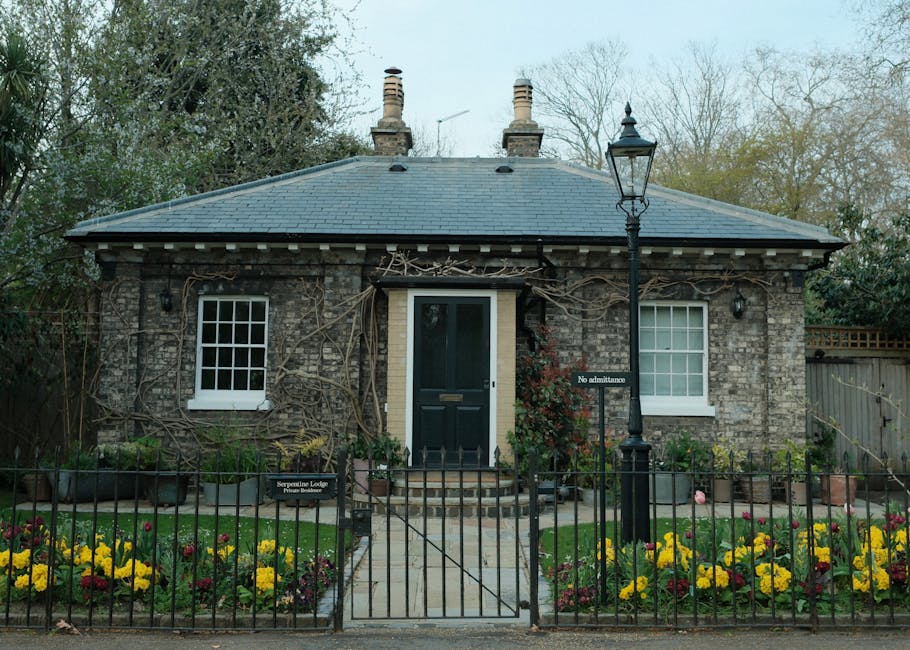
Imagine a narrow Hatch End frontage with a short path, a couple of tired shrubs, uneven gravel, and a patchy bed close to the wall. It is not a disaster, but it feels neglected. The owners want something cleaner, easier to manage, and a bit more inviting for visitors.
A sensible makeover might begin by removing overcrowded planting and reworking the path edge so it reads clearly from the pavement. Then the gardener could introduce a compact evergreen framework, perhaps paired with seasonal perennials that give flower without swallowing the space. A fresh mulch layer would help suppress weeds and unify the bed. The result? The front looks more deliberate, the entry feels wider, and the maintenance load drops almost immediately.
What changes most is not the size of the garden, but how it is read. A small space can feel polished when each element has a reason to be there. And that is often the difference between a front garden that merely exists and one that quietly improves the whole house.
Sometimes the client sees the change before the plants have even settled in. That first clean line. That cleared path. A proper little transformation. Not grand, just right.
Practical Checklist
Use this checklist before starting a small front garden makeover.
- Measure the frontage and note any awkward corners, slopes, or access issues
- Decide the main priority: style, low maintenance, privacy, or functionality
- Check where the sun falls through the day
- Identify plants that are overgrown, unhealthy, or poorly placed
- Inspect paths, edges, steps, drainage, and boundary features
- Choose a simple planting palette with enough evergreen structure
- Plan for watering and maintenance after the work is done
- Consider soil improvement if the bed is tired or compacted
- Think about waste removal and recycling of old materials
- Confirm the quote, scope, and timing before work begins
Quick summary: the best small front garden makeovers in Hatch End are usually the ones that combine clear structure, restrained planting, and easy upkeep. Fancy is optional. Fit-for-purpose is not.
Get a free quote today and see how much you can save.
Conclusion
A well-designed small front garden can change the feel of a home more than people expect. It improves the arrival experience, makes daily life easier, and adds a sense of care that shows from the street without shouting about it. For Hatch End homeowners, that means you can make a real impact even with a modest space and a sensible budget.
The key is to keep the design honest. Work with the shape of the plot, choose plants that suit the conditions, and focus on a layout that will still feel good six months from now. A front garden should not only look impressive on day one; it should remain easy to live with. That is the bit that matters.
If you are ready to start, speak with a local team that understands small-space gardening, practical maintenance, and the details that make a frontage work. And if you are still weighing things up, that is fine too. A good garden decision is rarely rushed. It grows on you, rather like the garden itself.
Frequently Asked Questions
What is the main goal of a small front garden makeover?
The main goal is to improve the appearance and function of the entrance area without making the space harder to manage. That usually means better layout, clearer structure, and planting that suits the site.
How much can be changed in a very small front garden?
Quite a lot, actually, if the changes are chosen carefully. Even a tiny frontage can feel transformed with better edging, cleaner lines, a more considered planting mix, and one or two strong focal points.
Are low-maintenance front gardens always the best option?
Not always. Low-maintenance is great if it suits your lifestyle, but some people still want seasonal colour or a softer look. The best design balances appearance with the amount of care you are willing to give it.
What plants work well in a small front garden?
Compact evergreen shrubs, groundcover plants, tidy perennials, and a few seasonal plants often work well. The exact choice depends on sun, shade, soil, and how much upkeep you want to take on.
Do front garden makeovers need planning permission?
Many simple garden changes do not, but anything involving significant structural alterations, boundary changes, or major paving decisions may need checking. It is always sensible to review the specific details before starting work.
How do I make a small front garden look bigger?
Use fewer plant varieties, keep lines clean, avoid overcrowding, and create a clear route to the door. Repeating colours and materials also helps the space feel calmer and more open.
What is the difference between a refresh and a full redesign?
A refresh usually focuses on tidying, pruning, edging, and improving what is already there. A full redesign may involve changing the layout, replacing major planting, or reworking hard landscaping too.
How often should a front garden be maintained after a makeover?
That depends on the planting scheme and season, but many front gardens benefit from light maintenance every few weeks during growing periods. A little regular attention is easier than one big rescue later.
Can a front garden makeover help property appeal?
Yes, because the front garden shapes first impressions. A neat, welcoming entrance often makes a home feel more cared for, which can matter whether you are living there, renting it, or preparing to sell.
What should I ask a gardener before booking a makeover?
Ask what the quote includes, how they approach plant choice, whether waste removal is covered, and how they handle safety and site protection. Clear answers at the start save headaches later.
Is it worth using a professional for a small front garden?
Often, yes. Small spaces can be deceptively tricky because every choice is visible. A professional can help avoid overcrowding, choose the right materials, and create a finished look that lasts.
How do I know if the garden needs a simple tidy-up or a bigger makeover?
If the main issues are weeds, overgrowth, and rough edges, a tidy-up may be enough. If the layout is awkward, the planting feels wrong, or the space no longer works for daily use, a bigger makeover is probably the better call.